

Two Ways Players Clear Raid Content
Players who want to clear raid content usually follow one of two paths. The first path is joining regular raid groups, often through guilds or scheduled community runs. The second path is using a WoW Raid Carry, where raid bosses are cleared in a planned session with experienced players. Both options can lead to boss kills and gear progress, but the way time is spent and results are delivered differs greatly.
Regular raid groups are built around repetition and shared effort. Players meet on fixed days, learn encounters together, and progress through wipes and adjustments. This approach appeals to players who enjoy long sessions and steady practice. Over time, a strong group can clear content efficiently, but reaching that point often takes weeks of coordination. Attendance issues, late starts, and uneven performance can slow progress even for motivated groups. As a result, total time spent raiding can be much higher than expected.
A WoW Raid Carry focuses on completion rather than learning through repetition. The raid is treated as a task with a defined goal: clear specific bosses within a set time. Players join at a scheduled hour, the raid begins on time, and pulls follow a known plan. There is little downtime between attempts, and most bosses are cleared without repeated failures. For players who value predictable outcomes, this approach feels very different from traditional raiding.
Understanding these two paths helps players decide what fits their schedule. The difference is not about skill, but about how time and effort are converted into results. One path spreads progress across many sessions, while the other compresses it into fewer, controlled runs.
How Regular Raid Groups Work in Practice
Regular raid groups rely on structure and commitment. Most operate on fixed schedules, often requiring two or more long sessions each week. Players are expected to log in on time, stay for the full duration, and prepare in advance. When everything goes well, this creates a strong sense of teamwork. When it does not, progress can slow quickly. A single missing player can delay the start. Several wipes can consume an entire evening without new boss kills.

Learning encounters is a major part of regular raiding. Groups spend time adjusting positioning, cooldown usage, and timing. This learning phase is valuable, but it is also time-consuming. Early pulls often end quickly, and recovery between attempts can take longer than expected. Over a full night, much of the time is spent preparing rather than clearing bosses.
Another challenge is consistency. Even strong groups experience uneven weeks. Real-life events, fatigue, or changes in roster can disrupt progress. A week with missed sessions often means falling behind on clears. Catching up may require extra nights, which are not always possible. For players with limited or unstable schedules, this makes regular raiding difficult to maintain. While regular raid groups offer a social and learning-focused experience, they demand flexibility and long-term commitment that not all players can provide.
How a WoW Raid Carry Changes the Raid Process
A WoW Raid Carry changes the raid process by removing many sources of delay. The most important difference is planning. Carry runs are scheduled with a clear start and end time. Players know when to log in, which bosses will be cleared, and how long the session will last. This removes uncertainty and makes raid progress easier to fit into short play windows.
During the raid, the pace is controlled. Boss pulls follow established strategies, and roles are handled smoothly. There is little need for long explanations or repeated adjustments. When a mistake happens, recovery is fast, and the raid moves on. This keeps momentum high and reduces wasted time between pulls. Most sessions focus on clearing bosses rather than practicing mechanics.

Another key change is result reliability. Carry runs aim to finish objectives within the planned session. Players leave with confirmed boss kills instead of partial progress. There is no need to return on another day to finish unfinished encounters. This reliability is especially valuable for players who cannot commit to multiple raid nights each week.
By shifting the focus from learning to completion, a WoW Raid Carry converts raid time into clear results. For players who prioritize time control and predictable outcomes, this approach offers a practical alternative to regular raid groups without requiring long-term schedule changes.
Time Investment Comparison: Hours Spent Per Week
The clearest difference between a WoW Raid Carry and regular raid groups appears when looking at total weekly time. Regular groups often require multiple evenings to reach their goals. Even if a raid night is planned for three hours, delays can extend it. Late starts, replacing missing players, and repeated wipes all add extra time. When bosses are not cleared, groups may schedule additional nights, which increases the weekly time commitment even further. Over several weeks, this pattern turns raiding into a fixed obligation rather than a planned activity.
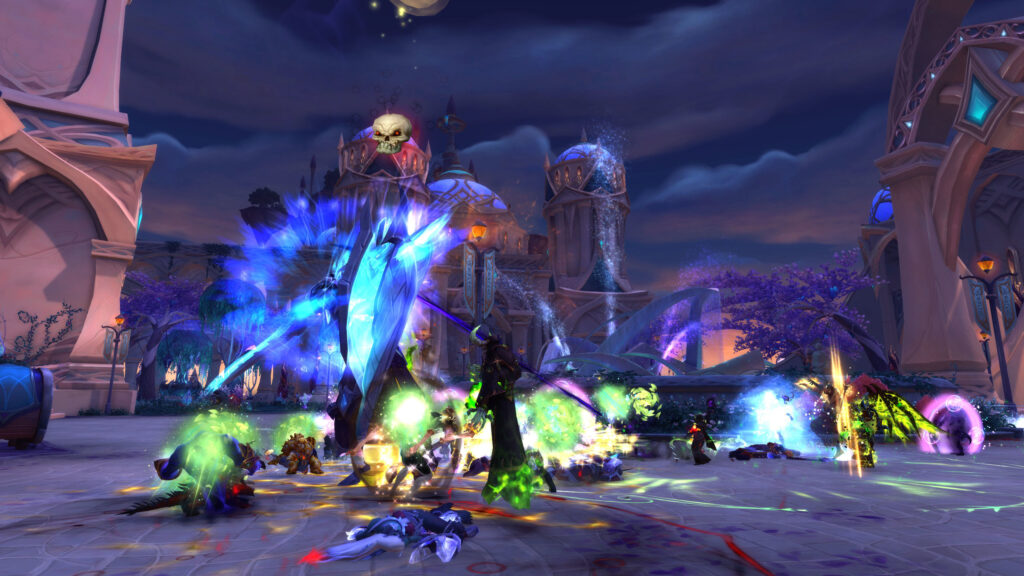
A WoW Raid Carry compresses this time into a shorter window. The run starts on schedule and follows a set plan. Bosses are pulled with purpose, and downtime is kept low. Instead of spreading effort across several nights, players complete their objectives in one controlled session. This makes weekly planning much easier, especially for players balancing work, family, or other responsibilities.
The difference becomes more visible across a full season. Regular groups may spend dozens of hours raiding, with some weeks producing little progress. Carry runs focus on converting time directly into results. Players know how many hours they will invest and what they will receive in return. This predictability is often the deciding factor for players who cannot afford long or uncertain raid schedules.
Result Reliability: Boss Kills and Weekly Clears
Result reliability defines how satisfying raid progress feels. Regular raid groups can deliver strong results, but they are sensitive to many variables. Attendance, focus, and group morale all affect outcomes. One bad week can lead to missed clears, which slows progress and creates pressure in later weeks. Even skilled players may finish a reset with unfinished bosses due to factors outside their control.
WoW Raid Carry runs are built around reliability. The main goal is to secure boss kills within the planned session. This approach reduces the chance of unfinished lockouts. Players join knowing that the raid is expected to reach its targets without needing extra nights. As a result, weekly clears become consistent rather than occasional.
Key differences in result reliability include:
- Regular groups may miss weekly clears
- Carry runs aim to finish planned bosses
- Progress through carries stays consistent
- Fewer weeks are lost to failed attempts
This reliability helps players maintain steady gear growth and avoid falling behind as the season moves forward.
Progress Stability Over a Full Season
Progress stability matters more over time than single strong weeks. Regular raid groups often experience ups and downs. One week may bring several clears, while the next delivers little progress. These swings make long-term planning difficult. Players may feel confident one week and stressed the next, depending on results.
WoW Raid Carry supports stable progress across the entire season. Weekly clears happen on schedule, which keeps gear growth steady. Players do not need to rush later in the season to make up for missed weeks. This steady pace improves confidence and reduces pressure during raids.
| Aspect | Regular Raid Groups | WoW Raid Carry |
|---|---|---|
| Weekly time use | High and variable | Controlled |
| Clear reliability | Inconsistent | High |
| Missed lockouts | Possible | Rare |
| Season progress | Uneven | Steady |
| Stress level | Higher | Lower |
Player Experience and Stress Levels
Experience matters as much as results. Regular raiding can be rewarding but also demanding. Long sessions, repeated wipes, and schedule conflicts often lead to fatigue. Players may log off feeling drained rather than satisfied. Over time, this can reduce motivation to raid at all.
Raid carries reduce stress by limiting uncertainty. Players know what will happen during the session and when it will end. This creates a calmer experience where focus stays high and pressure stays low. Instead of reacting to problems, players follow a clear plan and leave with completed objectives.
Conclusion: Choosing Based on Time and Expected Results
Choosing between a WoW Raid Carry and regular raid groups depends on how players value their time and results. Regular groups offer learning and social interaction but demand long, flexible schedules.
Raid carries offer control, reliability, and steady progress within defined sessions. For players who prioritize predictable outcomes and limited time investment, understanding this comparison makes the choice clearer and more practical.
Leave a Reply