
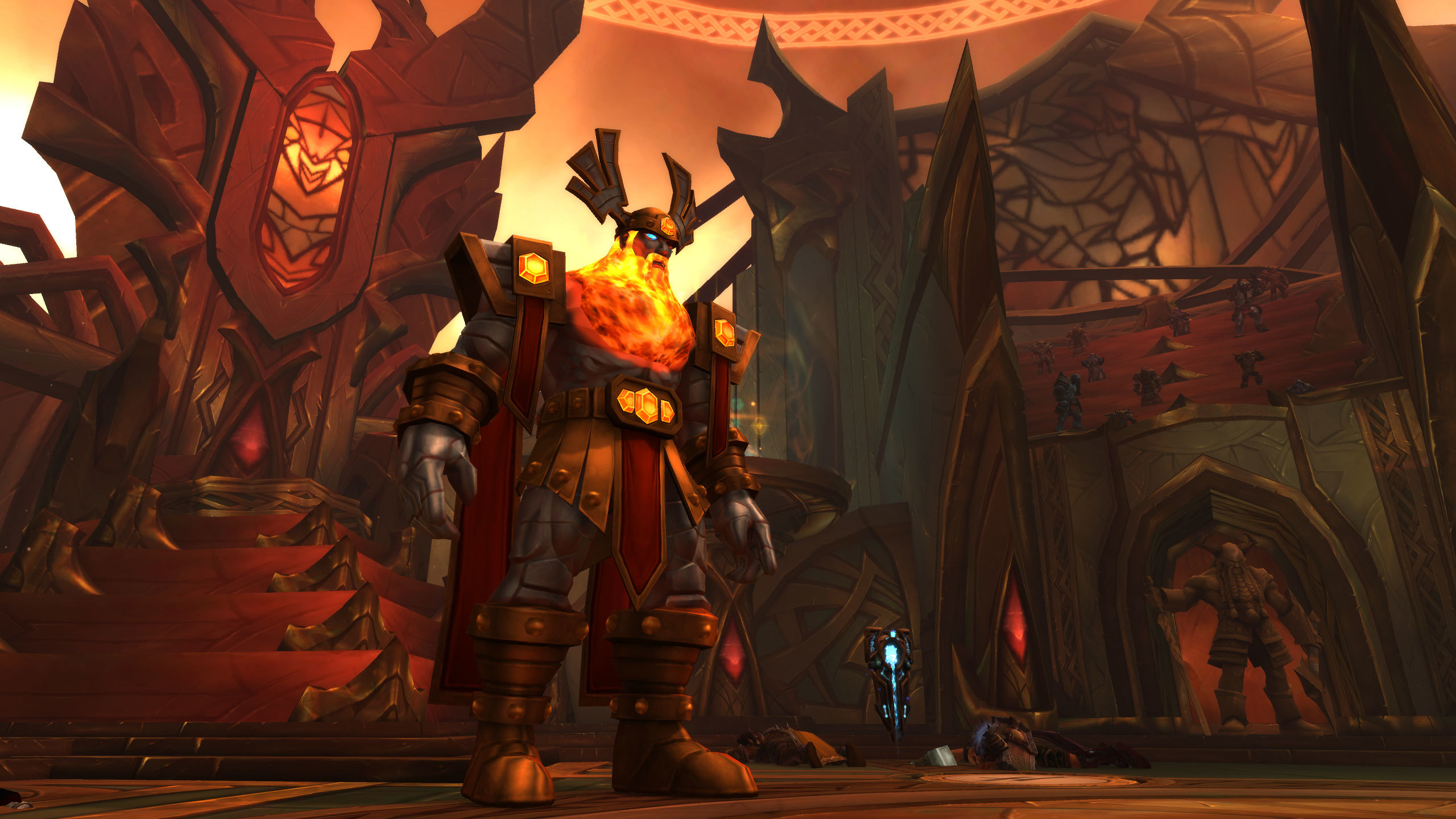
High-level raiding in World of Warcraft is defined not only by raw damage numbers or perfect boss strategies, but by the fluidity of combat flow—the subtle, instinctive moments where top players seamlessly read the battlefield, adapt to shifting mechanics, and execute precise actions with near-perfect timing. These flow moments separate good players from exceptional ones, turning raids into choreographed displays of awareness, coordination, and mastery.
Understanding these moments provides insight into why elite raiding feels so exhilarating, and why mastering flow has become central to endgame performance across modern expansions.
Reading the Battlefield in Real Time
One of the most defining aspects of high-skill raiding is the ability to process visual information instantly. Top players scan boss movement, ground effects, cast bars, and positioning while maintaining their rotation. This multitasking allows them to react before danger fully develops, performing preemptive movements that avoid knockbacks, spreads, or one-shot mechanics.
This awareness also extends to teammates. Skilled raiders monitor raid frames subconsciously, identifying who needs external cooldowns, who is out of position, or when a healer requires assistance. These micro-adjustments keep raids alive even during unexpected chaos.
Perfect Alignment of Cooldowns
The best raiders use cooldowns not simply when they are available, but when the encounter demands precision. Burst phases, add waves, vulnerability windows, and shield breaks all require synchronized cooldown timing. High-skill players track boss timers, plan their burst minutes ahead, and align every major cooldown with critical moments.
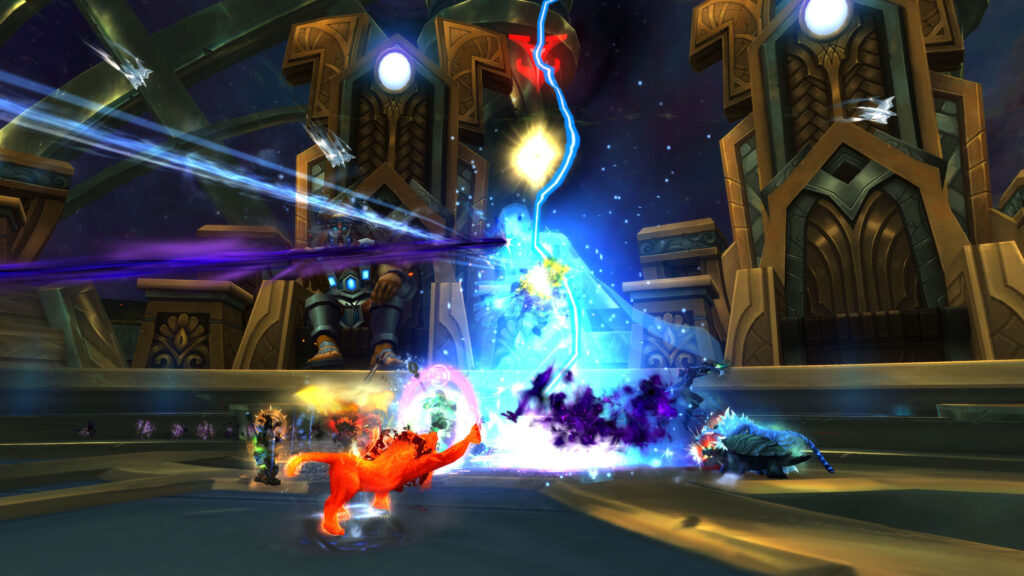
This synchronization creates combat flow—a rhythm where each player’s abilities stack, amplify, and reinforce one another. When executed correctly, these moments produce stunning spikes of damage or healing that define progression kills.
- Stacking raid-wide damage cooldowns for vulnerability windows
- Tank externals lined with predictable boss hits
- Healer cooldown rotations pre-assigned for major raid damage
- DPS cooldowns planned around add spawn timings
Movement as a Skill Expression
Movement defines high-skill raiding more than many realize. Elite players minimize wasted steps, stutter movement only when necessary, and reposition without interrupting their rotation. This mastery allows them to maintain maximum uptime even in movement-heavy encounters.
Movement flow often determines whether a raid wipes or triumphs. From weaving through swirl mechanics to stacking in perfect formation, these micro-movements form the backbone of elite gameplay. When a group moves as one, the encounter feels effortless—even when mechanics remain punishing.
Recovering From Mistakes Without Breaking Momentum
Even the best raiders make mistakes. What defines high skill is how quickly players recover without derailing momentum. Skilled players instinctively pop defensives, reposition instantly, or salvage botched mechanics through smart improvisation.
This resilience keeps progression attempts alive. A single player’s rapid adjustment can prevent a chain reaction of failures, allowing the raid to continue learning rather than losing an attempt to panic or miscommunication.
Mastery Through Pattern Recognition
High-skill raiders internalize boss mechanics to the point where reactions become automatic. They anticipate casts before timers appear and prepare for movement long before ground effects form. This pattern recognition transforms encounters from reactive challenges into proactive plays.
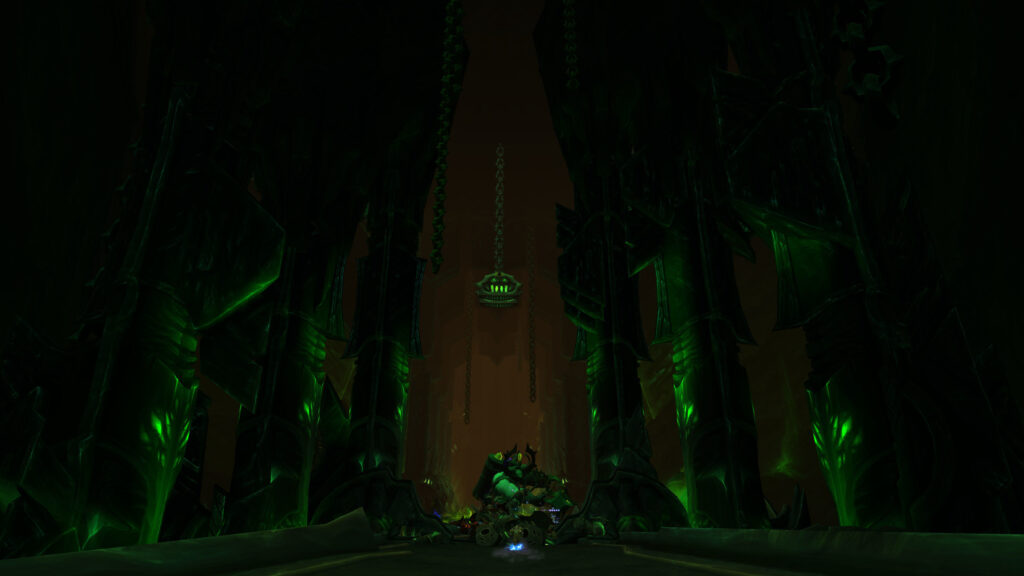
The result is a flow state—a level of performance where awareness, instinct, and execution merge into a seamless expression of combat mastery.
Conclusion
Raid combat flow is the heartbeat of elite World of Warcraft gameplay. These defining moments—perfect movement, synchronized cooldowns, battlefield awareness, and resilient improvisation—create the exhilarating sensation that makes high-end raiding unforgettable. Mastering flow isn’t just about execution; it’s about harmony within the team, turning chaos into choreography.
Leave a Reply