
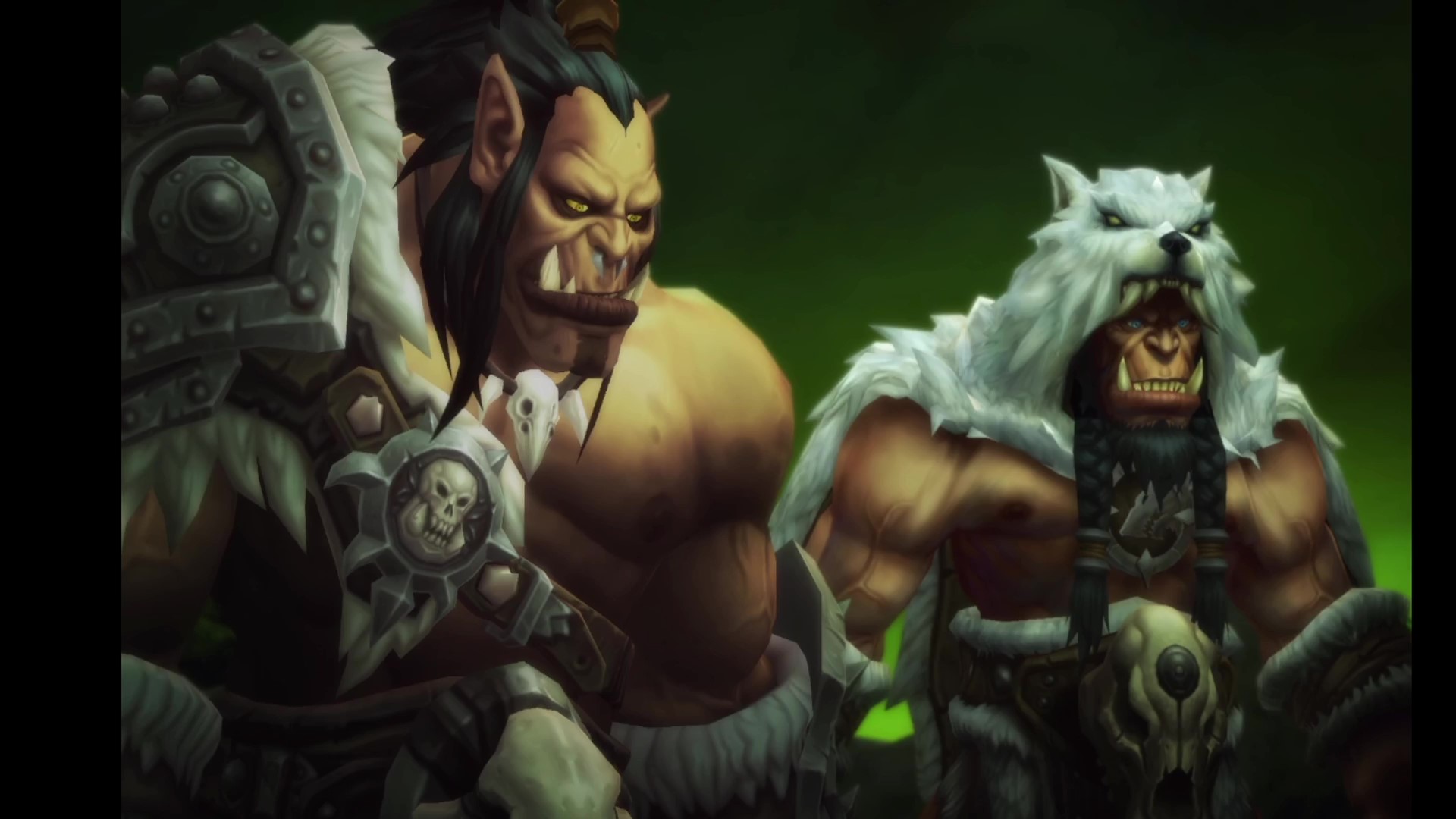
The narrative surrounding Grommash Hellscream and the Iron Horde in the World of Warcraft expansion, Warlords of Draenor, has been a topic of intense discussion among players and lore enthusiasts. While the expansion aimed to explore the alternate universe of Draenor, it faced criticism for its storytelling choices, character development, and overall execution. This guide delves into the key areas where the narrative vision faltered, providing insights into the implications for the game’s lore and its community.
What were the main narrative issues with Grommash Hellscream’s character arc?
The primary narrative issues with Grommash Hellscream’s character arc include inconsistent motivations, lack of depth, and missed opportunities for meaningful development.
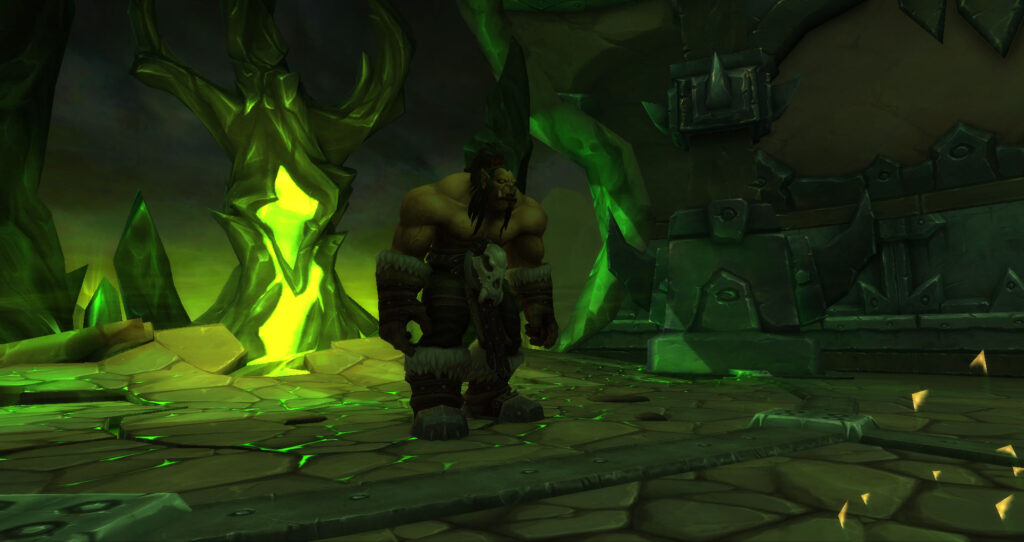
Grommash Hellscream, originally a complex character from Warcraft lore, was reduced to a one-dimensional villain in Warlords of Draenor. His motivations for leading the Iron Horde were not adequately explored, leaving players questioning his transformation from a noble warrior to a tyrant. The narrative failed to provide a compelling backstory that justified his actions, which alienated long-time fans who expected a more nuanced portrayal. Additionally, the potential for redemption or internal conflict was largely ignored, leading to a predictable and unsatisfying conclusion to his arc.
- Explore Grommash’s original lore to understand his motivations.
- Analyze the Iron Horde’s formation and its impact on Draenor.
- Identify missed narrative opportunities for character development.
- Discuss fan expectations versus the actual narrative delivery.
How did the Iron Horde’s portrayal affect the overall narrative of Draenor?
The Iron Horde’s portrayal detracted from the overall narrative by presenting a simplistic view of conflict without deeper thematic exploration.
The Iron Horde was depicted as a monolithic evil force, lacking the complexity that characterized previous factions in Warcraft lore. This oversimplification led to a narrative that felt shallow and unengaging, as players faced off against a faceless enemy rather than a faction with diverse motivations and internal struggles. The absence of nuanced storytelling diminished the stakes of the conflict, making it difficult for players to connect with the overarching narrative. Furthermore, the Iron Horde’s portrayal failed to leverage the rich history of Draenor, missing opportunities to explore its diverse cultures and histories.
In previous expansions, factions like the Lich King or the Burning Legion were portrayed with layers of complexity, allowing players to understand their motivations and conflicts. The Iron Horde, however, was presented as a straightforward antagonist, which undermined the potential for engaging storytelling. This lack of depth resulted in a narrative that felt disconnected from the broader lore of the Warcraft universe, leading to disappointment among players who sought a richer experience. The missed opportunity to create a multifaceted conflict diminished the emotional impact of the storyline.
What were the key moments that highlighted the narrative failures in Warlords of Draenor?
Key moments that highlighted narrative failures include the abrupt character shifts, inconsistent plot points, and lack of resolution for major story arcs.
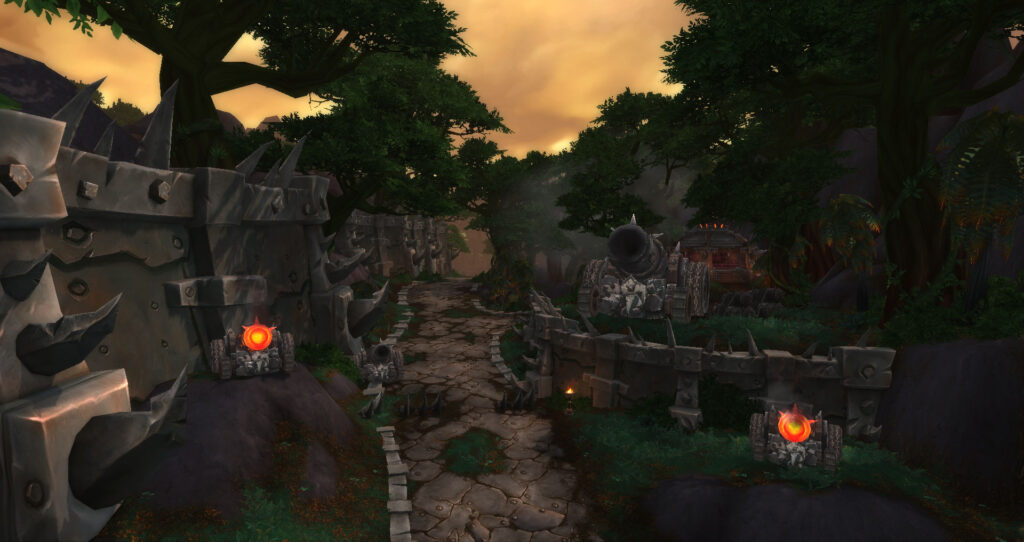
Several pivotal moments in Warlords of Draenor showcased the narrative’s shortcomings. For instance, Grommash’s sudden shift from villain to ally felt forced and unearned, leaving players bewildered by the lack of character development. Additionally, the introduction of characters like Khadgar and the alternate universe concept was not fully realized, leading to plot points that felt disjointed and poorly integrated. The failure to provide a coherent resolution for major story arcs, such as the fate of the Draenei and the orc clans, further exacerbated the narrative’s issues.
Moreover, the reliance on nostalgia without proper context led to a disconnection between players and the storyline. Characters and events from previous lore were referenced but not adequately explained, leaving new players confused and veterans feeling unfulfilled. The lack of a satisfying climax or resolution for the Iron Horde’s conflict contributed to a sense of narrative fatigue, as players were left with more questions than answers. This pattern of unresolved storylines ultimately detracted from the overall experience of Warlords of Draenor.
What are the critical comparisons between Warlords of Draenor and previous expansions?
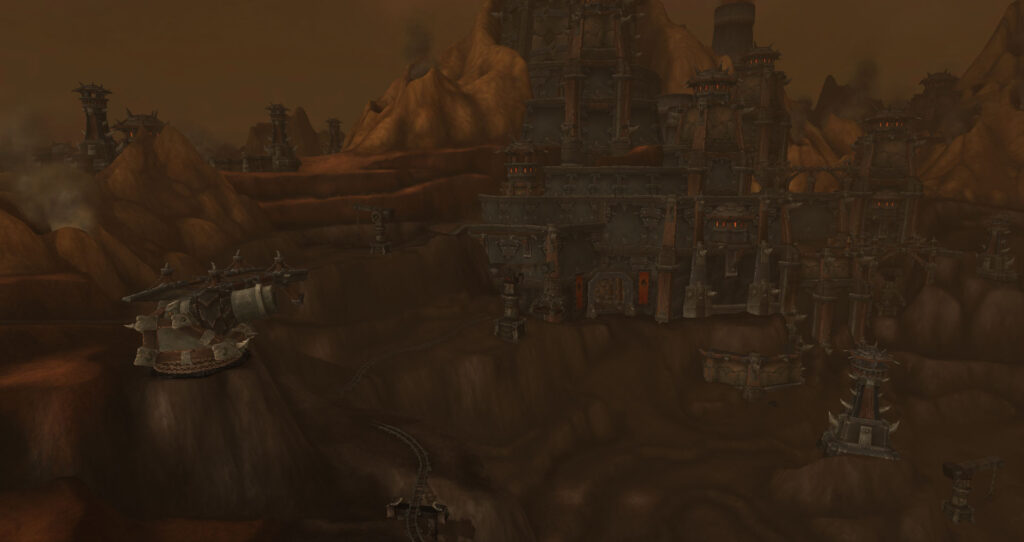
Warlords of Draenor’s narrative structure significantly differed from previous expansions, particularly in character depth and thematic exploration.
The following table outlines key comparisons between Warlords of Draenor and earlier expansions, highlighting the differences in storytelling approaches and character development.
| Expansion | Main Antagonist | Narrative Depth | Character Development |
|---|---|---|---|
| Warlords of Draenor | Grommash Hellscream | Shallow | Inconsistent |
| Wrath of the Lich King | The Lich King | Deep | Complex |
| The Burning Crusade | Illidan Stormrage | Rich | Nuanced |
How did player expectations influence the narrative reception of Draenor?
Player expectations significantly influenced the narrative reception of Draenor, as fans anticipated a return to form with rich storytelling and character arcs.
Given the legacy of previous expansions, players entered Warlords of Draenor with high hopes for a compelling narrative that would build on established lore. The anticipation for Grommash Hellscream’s return as a central figure created expectations for a complex exploration of his character and the Iron Horde’s motivations. However, the failure to deliver on these expectations led to widespread disappointment, as players felt that the narrative did not honor the depth of the Warcraft universe. This disconnect between player expectations and the actual narrative execution resulted in a critical backlash against the expansion.
Moreover, the marketing and promotional materials leading up to the expansion emphasized the return of iconic characters and the exploration of Draenor’s history. When the narrative failed to deliver on these promises, it created a sense of betrayal among the community. The lack of meaningful engagement with the lore and the characters players had grown to love contributed to a negative perception of the expansion. This feedback loop of unmet expectations and narrative shortcomings ultimately shaped the legacy of Warlords of Draenor within the Warcraft community.
What lessons can be learned from the narrative failures of Warlords of Draenor?
Key lessons from the narrative failures of Warlords of Draenor include the importance of character depth, coherent storytelling, and honoring player expectations.
The narrative shortcomings of Warlords of Draenor serve as a reminder of the necessity for developers to prioritize character development and thematic depth. Players are drawn to narratives that resonate with their experiences and provide meaningful engagement with the lore. Future expansions should focus on creating multifaceted characters with relatable motivations, ensuring that players can connect with the story on a personal level. Additionally, maintaining coherence in the narrative structure is essential for fostering player investment in the storyline.
Moreover, developers should actively seek player feedback and engage with the community to understand their expectations and desires for future narratives. By honoring the legacy of the Warcraft universe and delivering on the promises made during marketing campaigns, developers can rebuild trust with the player base. Ultimately, the lessons learned from Warlords of Draenor can guide future storytelling efforts, ensuring that the rich tapestry of Warcraft lore continues to captivate and inspire players.
Frequently Asked Questions
What was the original role of Grommash Hellscream in Warcraft lore?
Grommash Hellscream was initially portrayed as a heroic figure in Warcraft lore, known for his strength and leadership among the orc clans. He played a pivotal role in the events leading up to the formation of the Horde and was a key figure in the struggle against the Burning Legion. His character arc was complex, showcasing both his ferocity in battle and his moments of redemption.
Why did players feel disappointed with the Iron Horde’s portrayal?
Players felt disappointed with the Iron Horde’s portrayal due to its simplistic depiction as a one-dimensional villainous faction. The lack of depth and complexity in their motivations made the conflict feel shallow and unengaging, contrasting sharply with the rich narratives of previous expansions.
What could have been done differently in Warlords of Draenor?
Warlords of Draenor could have benefitted from deeper character development, particularly for Grommash Hellscream and the Iron Horde. A more nuanced exploration of their motivations and internal conflicts would have added richness to the narrative, creating a more engaging experience for players.
How did the narrative failures impact the Warcraft community?
The narrative failures in Warlords of Draenor led to a sense of disillusionment among the Warcraft community, as players felt that the expansion did not live up to the legacy of the franchise. This disappointment affected player engagement and trust in the developers, prompting discussions about the future direction of the game’s storytelling.
Leave a Reply